The Willpower Myth: Why Sugar Addiction is Chemical, Not a Choice
Callie Chammas, FNTP, FBCS
March 4, 2026
Have you ever stared at the bottom of an empty ice cream carton—or a sleeve of cookies—and wondered, “Why do I have zero willpower?”
You are not alone. And more importantly: it is not your fault.
For decades, the standard health advice has framed weight management and healthy eating as a character test. If you can’t say no to a donut, you just aren’t trying hard enough. You lack discipline. You need to count your calories more carefully.
But clinical nutrition and metabolic science tell a completely different story. Sugar addiction isn’t a moral failing. It is a predictable, powerful biochemical response.
When you understand the mechanics of why your body is screaming for sugar, you can stop fighting yourself and start fixing the root cause.
The Chemistry of a Craving
To understand cravings, we have to look at the master hormone of metabolism: Insulin.
As Dr. Ben Bikman, a leading researcher in metabolic health at Brigham Young University, extensively documents in his book Why We Get Sick, insulin’s primary job is to manage energy. When you eat carbohydrates (which break down into sugar), your blood sugar rises. Your pancreas releases insulin to shuttle that sugar out of your blood and into your cells for energy—or into your fat stores for later.
Here is the trap: When you eat a diet high in processed carbohydrates and sugar, your insulin levels stay chronically elevated.
When insulin is high:
- Fat burning is locked. Your body physically cannot access its fat stores for energy.
- You crash. As insulin aggressively clears sugar from your blood, your blood sugar plummets, creating a massive energy deficit.
Your brain detects this rapid drop in blood sugar and panics. It sends out a biological emergency signal: Get quick energy, right now, or we are going to die.
That signal? A massive, undeniable craving for sugar. It takes an incredible amount of willpower to fight a biological survival mechanism. Eventually, physiology always wins.
Stress: The Silent Blood Sugar Spiker
It’s not just the food you eat. Stress plays a massive role in the willpower myth.
Dr. Eric Berg frequently highlights the impact of cortisol—the stress hormone—on blood sugar and fat storage. You can also find his detailed breakdown on his YouTube channel. When you are chronically stressed (from work, poor sleep, or emotional burnout), your body pumps out cortisol.
Cortisol’s job in an emergency is to liberate energy so you can fight or flee. It literally triggers your liver to dump stored sugar into your bloodstream. This spikes your blood sugar, which then spikes your insulin, which leads to the crash and the craving.
All of this can happen even if you haven’t eaten a single gram of sugar all day.
If you are sleep-deprived and stressed, your adrenal system is running hot, driving chemical cravings that no amount of sheer willpower can override indefinitely.
Why “Eat Less, Move More” Often Fails
The traditional model of weight loss tells you to restrict calories. But as Dr. Jason Fung explains at The Fasting Method and in his book The Obesity Code, obesity and metabolic dysfunction are hormonal issues, not caloric ones.
If you cut calories while keeping your carbohydrate intake high, your insulin stays elevated. You are starving your body of calories, but because insulin is high, your body still cannot access its fat stores.
You become tired, cold, irritable, and intensely hungry. Your basal metabolic rate slows down to conserve energy. Eventually, the drive to eat overwhelms you. You binge, feel guilty, and the cycle continues.
Fasting—or simply spacing out your meals without snacking—allows insulin levels to drop. When insulin drops, the “vault” unlocks. Your body can finally feed on its own stored fat. The result? Smooth, sustained energy and a natural reduction in cravings.
Breaking the Cycle: A Clinical Approach
Breaking sugar dependency requires a medical and metabolic approach—treating it like the biochemical dependency it is.
You cannot simply “moderate” a highly addictive substance when your biochemistry is dysregulated. You have to reset the baseline.
Here is how you start breaking the chemical cycle today:
1. Prioritize Protein and Fat First
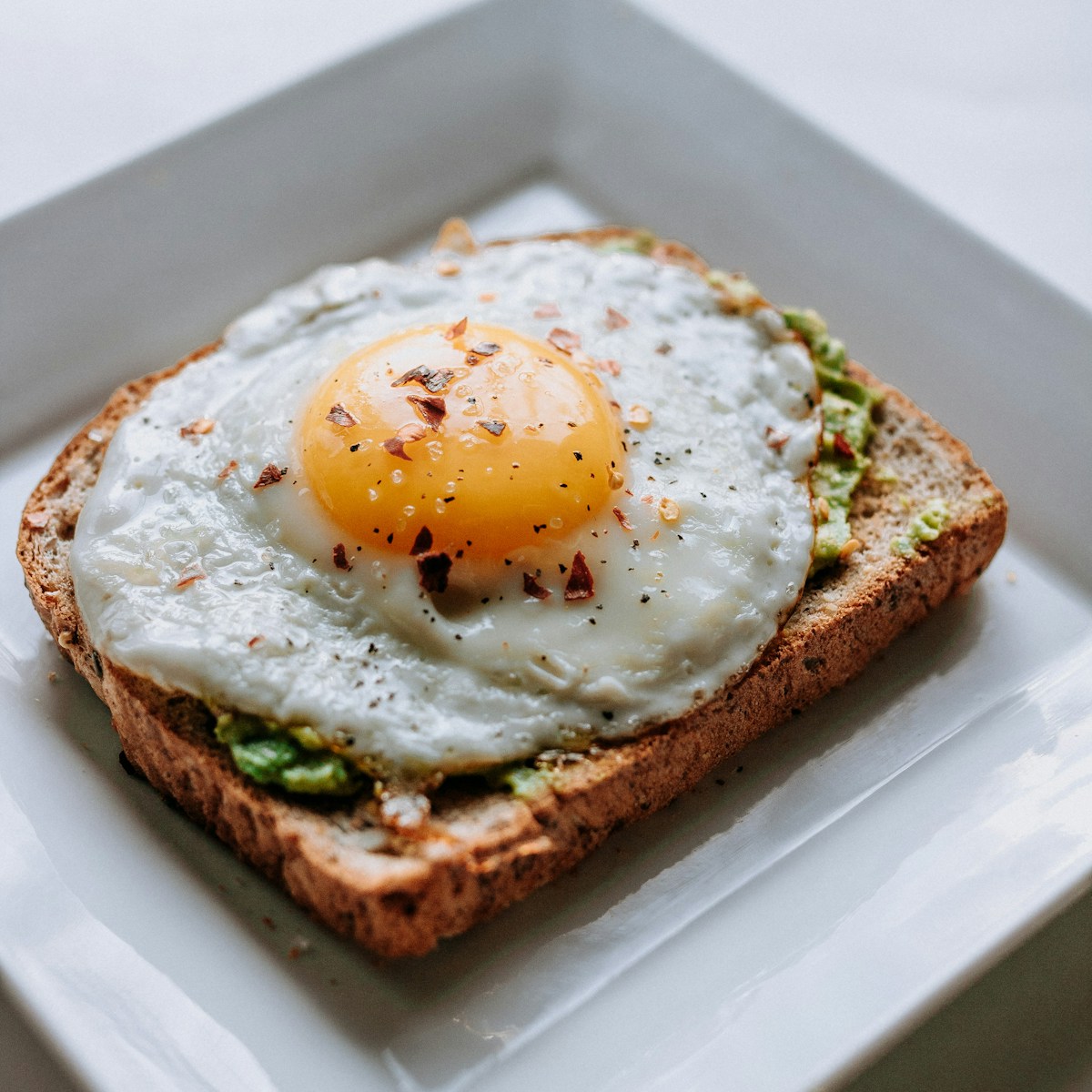
Start your day with a savory, protein-heavy breakfast. Eggs, avocado, high-quality meats. When you eat protein and healthy fats, you trigger satiety hormones (like cholecystokinin) without spiking insulin. You give your body the building blocks it needs without setting off the blood sugar roller coaster.
2. Stop the Grazing
Every time you eat, you trigger an insulin response. To lower your baseline insulin, stop snacking between meals. Give your digestive system—and your pancreas—a rest. If you need a snack to make it to the next meal, it means your previous meal didn’t have enough protein and fat.
3. Manage the Cortisol Curve
Protect your sleep ruthlessly. A single night of poor sleep can make you as insulin resistant as a type 2 diabetic the next day. Build a wind-down routine, reduce blue light at night, and find active ways to down-regulate stress (walking, breathing) that don’t involve food.
You Don’t Need More Willpower. You Need a Plan.
If you’ve been struggling with sugar cravings, take a deep breath and let go of the guilt. The game was rigged against you by modern food environments and outdated nutritional advice.
You don’t need to try harder. You need a strategy that works with your biology instead of against it.
To understand more about the program built on these metabolic principles, read Welcome to Your Sugar Coach: A New Standard for Metabolic Health.
Ready to take control of your blood sugar? Your Sugar Coach’s 90-day program gives you a personalized, science-backed roadmap with real human coaching. No generic advice. No guesswork.
Ready to start?
Your blood sugar can improve. We'll show you exactly how.
Join our 90-day program with personalized coaching from Callie — a certified nutrition therapist who has helped hundreds of clients reverse prediabetes and reclaim their energy. Start with a free 5-day trial, no credit card required.
Start Your Free 5-Day TrialFree trial · No credit card · Cancel anytime